Blog Archives
GET READY FOR SKI SEASON
Ski season is starting. Are you ready for skiing? How your body is ready for this, as some call it light recreational activity, but skiing is much more than that. Find out in this article the most important issues related to the preparation for skiing and evaluate your ability to avoid injuries which are increasingly common due to inadequate preparation.


I have personally witnessed how unprepared the body for strenuous ski days, there are serious consequences for violations, and another failed winter ski vacation SHOULDER DISLOCATION AND RECOVERY-my story. Muscle fatigue, lack of stamina, concentration and other disadvantages are the main cause of crashes with serious consequences. Experiences and experts say the biggest enemy is muscle fatigue for skiing, and it is responsible for many ski injuries. The data shows that during the seven-day ski break, on Wednesday and Thursday, going on the greatest number of falls and accidents, especially in the afternoon! When you falls the most common injury is knee injury, as a result of crossing skis (anterior cruciate ligament injuries with almost 10-15% frequency), next one is dislocations of shoulder, injuries collarbone, hip injuries and others. Such injuries can permanently prevent you ski or may result in chronic pain and problems throughout life.
There are basic principles and principles of training on how to prepare your body for the efforts that follow the ski vacation. Basic components of the preparation are: Cardiovascular Training, Functional Strength Training, Flexibility Training, Balance and Proprioception Exercise, Specific Ski and Plyometric Training.
Preparation and training should start from 6 to 10 weeks before the holiday. Cardio training consists a minimum of 30 minutes of cardio exercise with a change of pace from 2 to 3 times a week: bike, running, rowing … If you can not endure the intensity for 30 minutes, insert a pause of 1 to 2 minutes between activities than 3 minutes. Functional strength training is strengthen the entire kinetic chain represents a functional simulation of movements in skiing. Individually perform exercises and movements (jumps, steps forward, kettlebell, ropes, a combination of push-ups, pull-ups and burpees) and later assembly into one unit will prepare your body for similar tasks that await you on the track. Flexibility training is compulsory and represents a very important static and dynamic stretching torso and legs in preparation for skiing. Your body will be more flexible and less susceptible to injury collisions and falls. Stretching after worm up and after functional training and strength training! Training of Proprioception and Balance. Dynamic equilibrium must control the balance in body movement while skiing. The basic ski movements and techniques involve transferring weight from one foot to the other, and a balance through exercise proprioception that provides better control of movement in the knee (T plates, plate with a semi-sphere, cylinders of different sizes, SLACKLINE – wide band stretched between two supports, INTO BOARD – slab roller, BOSU ball) is fixed for safe skiing. Specific ski and Plyometric Training simulates real ski movements, develops explosive power of legs and CORE muscle (strengthening the abdominal wall, rotator troops and lumbar). Through the basics of exercise squats and jumps with the load to the cables for more faithful simulation of a particular ski position.
Active stabilizers of the knee are the most important when it comes to strengthening the muscle and prevention of skiing injuries. Include:
extensors of knee – the quadriceps
hamstrings, flexors of knee – hamstrings bits: muscle biceps femoris, semitendinosus, semimembranosus
adductor and abductors of leg – large, long and short adductor, muscle gracialis
Here you can look at the examples of exercises, for more information and an appointment please contact mail maremikic@yahoo.com
Share this:

WHAT IS A WORKOUT
Depending on the kind of goal we want to achieve, whether it is to lose fat and weight or increase muscle mass, increase endurance and stamina, strengthening certain muscle groups, progress, and improvement of some motor skills (flexibility, endurance, speed, …), is to lightweight recreational training or cardio purely for pleasure, we have various types of training, whether it be on the type of equipment, intensity or duration of the training. We’ll have to deal with this issue in the text, in a professional way without advertising brands and names of training.
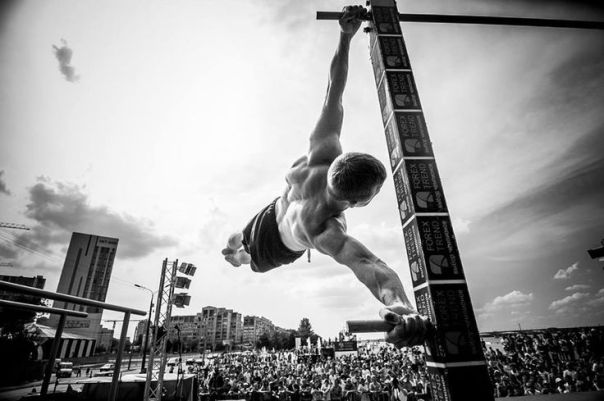
Today we have a variety of different training titles. New names and brands for same kind of workout is very confusing. Essentially all boils down to the same, one type of training can be called on the 5 different modes. It is simply a branding and serious marketing in order to sell something and been on the agenda. I understand that today’s all is marketing and profit. But today we will call the facts with proper name, it is better.
The first very important thing is are you amateur, have you ever something seriously trained or what is your fitness level, and what you want to achieve. To say that, today’s training methods look like similar like gladiators is preparing for battle. It is OK, if you make money from wholesale as MMA fighters and Cross Fit athletes and you have sponsors and all the other things, then it makes sense. But if you are a recreational, difficult and strenuous training can later lead to Overtraining (OVERTRAINING OR PROGRESS ), or can cause serious injury. In the book SCIENCE OF FORCE shows clearly, strength and endurance should not train together, it said top experts and doctors, maybe it sound boring, but it makes sense.
The main thing for fitness and endurance is cardio training in combination with interval training, the muscle hypertrophy and increasing muscle mass is weights (split training) with sufficient intake of protein (up to 2 g of protein per kilogram of weight, per day), functional and circuit training to increase endurance and downloading fat and kilograms with an adequate relationship and entered calories spent days (you will not lose weight if you spend 500 calories per workout, so you come home and enter 1000 kcal), box combined with weights and strength training exercises is excellent for defining muscle with a mandatory removal of fat through diet , longer cardio training with uniform and moderate cardiac frequency is ideal for degradation of fat, short interval sprints in swimming, running, rowing – consumption of carbohydrates, high-frequency heart, rapid fatigue and short duration of activity – power, speed and explosiveness.
Call your training however you want or as it is more popularly known as May, but the basic thing is to break down what you want from a workout. Ask professional staff, find out an inform on the right places. Monitoring online, you tube and group training for motivation can have a counter effect, you think you’re doing well and properly and you can endure the intensity, and perhaps is the opposite. Listen your body, body knows what is the best for you.
Share this:

MODELS WORKOUT
In the last few months I had a clients who are models. They inspired me a little bit more to find out and investigate this topic. Today we deal with female models, their way of training, diet and lifestyle.

How to get look similar like girls on the picture. Of course, with a lot of effort and the right guidelines can be. Not everyone is destined to be top models, but you can line your figure to a level which is not ashamed to stand shoulder to shoulder with the top models.
Training are specific, is not the classical exercising and lifting weights. Muscle needs to look very different from all the other examples you can see in fitness centers. We can take the example of runners on one hundred meters and marathon, but this is something in between, for example athletes in the 800 and 1500 meters. The training requires a lot of cardio exercise, functional exercises with your own weight and a lot of stretching. Muscles need to be spindly, elongated, thin but strong. This is the essence of this appearance and musculature.
Traditional exercises lunges, squats, push ups, deeps, used with a lot of modification. TRX, Steppers, Bosu balls, Pilates balls … can be used as specific help with variations and loads. Bands with different colors and degrees of elasticity are very good, the load increases in the most natural way without the use of conventional weights. Interval training, cardio, rope should be more practiced in order to losing fat and removed the excess fluid that muscle gave mild expression and longitude.


Training with boxing and kick box elements and their movements will strengthen the muscles of the legs and shoulders, and at the same time a proper execution of the muscle movements will be significantly involved with a wide range of flexion and extension which will impact favorably on the desired result.
Stretching must occupy a special place in the course of training, approximately 30% of the training process. Muscle must not be tightened and shortened. Diet is based on reciprocal intake and spending of calories, kg need to be the same, energy saved, and all the necessary nutrients to be recovered.
In the next video, we’ll give you an example of exercises that are used in this type of training:


 health & fitness