Blog Archives
SPORTS DIAGNOSTICS
Sports diagnostic represents a major process control, planning and implementation of the training process, through science. Today it is more developed, implemented and improved. The benefits of this way of relating to sports and athletes, and some other interesting things about these topics, we will present in the following text.

One of the biggest problems in modern sport is that the coaches for many years run by the old “proven” method. One of the problem apparently is to give some information about what is happening towards the athletes and those (in) adequate information trying to plan training. The result is that they have a lack of quality information, while you may have a lack of skills and knowledge to adapt the organism to increased physical efforts and the work carried out. Therefore it is no surprise that information is, since 2000th over 50 players died on the play ground. One gets the impression that it is actually a natural selection, on the principle of survival of the fittest. Half of these accidents occurred in the past 5 years.
So it is right time to introduce Science in sport? It is right time to work only the highest quality professionals? It is right time to stop the gambling with young lives? And to understand the value of a young life, and for correcting such errors no second chances?
Although there are countless reasons why athletes should be tested, our experts refuse to engage in modern diagnostic flows. Are the reasons for lack of interest and ignorance, or they are still confident in their approx abilities. The system itself allows coaches, after completed secondary school, to go on a weekend seminar, pay a fee and enter into a collective made up of non educated people who have been prescribed the same methods and erroneous, inadequate training damaging their athletes. Problem as a knowledge based on the level of research in the 50s of the previous century, which are not based on practice than on statistics, and thus the figure of 50 deaths of players is only a small part of the overall irrelevant statistics and the amount of players that are in circulation, so it is speak little victim for more interest.
Diagnosis is an area still insufficiently developed, because the equipment is expensive and not so many people know how to use it properly. One fact to a diagnostic device can be interpreted in different ways, and therefore the vision of experts takes precedence over education and vocational and profession. The functional state of the organism and testing of athletes, through the prism of the very requirements of a given sport, is something that should be the task of all sports officials. Control techniques, mechanics, posture, muscle status, metabolic processes in relation to sport is much important and this aspect is very easily applicable in the training because they diagnostics and training actually two parts of a puzzle, a puzzle that can bring progress and save many lives. A large number of children suffer from postural disorders, deformities, obesity … but the problem dealing with the parents themselves only when it comes, “5 to 12” or something bad happens. This problem proper access sport in cooperation with diagnostic centers could be minimized through proper functioning of the clubs, not the production of players, could be treated. That can testify to the fact former chief diagnostician FC Schalke who says that there is a system diagnostics on all levels of play, and that the trainers “stack” of paper easily hide in the side because they believe your instincts, and these institutions are becoming more important than scientifically based arguments which are often i do not watch. What’s the point of the test and what we’re actually talking about sport, awareness of experts and the future of our sport?


What does modern diagnostics and tests show, and what are its benefits (we will mention just a few):
- discovering motor faults
- muscle imbalances
- early diagnosis of injuries
- assessment of motor skills
- comparison of abilities compared to athletes around the world
- prediction of development
- assessment of technical elements with the ball and without the ball (technique sprint, the technique of stopping, change of direction, the technique of movement against the violation of the function of the game, etc.).
- training of technical elements for insight into the shortcomings of
- goal setting
In the following video we will show how the case looks a diagnostic treatment of the young tennis player.
Share this:

PRE AND POST WORKOUT SNACK
In addition to the frequent and high-quality training is very important to properly feed, also before and after training. From this depends on whether the training will be better and more effective later. The ratio of the importance of training and nutrition today might be in the ratio 50 : 50, though some believe that is 30 : 70 in favor of nutrition. It tells you how important nutrition is to achieve appropriate results, recovered your body of training and effort and also rest for the next. Today, professionals and top coaches professional athletes devote more attention to recovery than the training. Here are some groceries and nutrients that are essential before and after your workout.
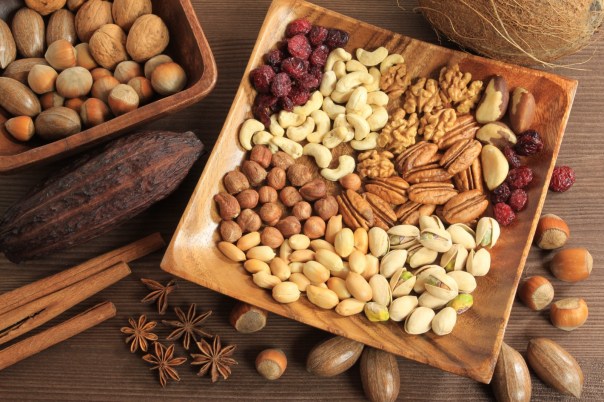
Pre Workout Snack. Take the meal 1 to 2 hours before training ( those with a fast metabolism 1 hour before training, those with slower 2 hours before training ). 30 minutes before your workout, take appropriate supplements.
- Dried fruits
- Fresh fruits
- Oatmeal
- Sweet potato
- Quinoa – 12% of protein, 55% of complex carbohydrates
- Rice Cakes with Nut Butter
- Banana with Almond Butter
- Smoothie
- Whole grain cereal with a cup of almond milk
- Granola of fruit and nut bar such as KIND or Larabar
These food boxes that are listed mainly contain complex carbohydrates and beneficial fats, that you need a source of energy during training. It is necessary to eat before your workout, 40-50 grams of carbs and 30-40 grams of protein is quite enough. Too much food will also slow down digestion and burden the stomach. It is best if there is no food in your stomach when you start the training.
Post Workout Snacks. Should be taken in the next 60 minutes after training.
- Chocolate Milk
- Boiled Eggs – one egg have 7g of proteins
- Protein Shakes
- Protein Bars
- Cottage Cheese with Berries
- Greek Yogurt with Berries
- Peanut Butter on Wheat Toast
- Hummus with Baby Carrots
- Cheese and Whole Grain Crackers Nuts
Food boxes that are on the list after training contain complex carbohydrates ( Glycogen, which is the most important as muscle fuel ) that are used for recovery and energy recovery, as well as proteins that are food for muscle fibers, they recover and rebuild muscle tissue during weight training breaks down. Of course, taking sufficient amounts of protein after training can significantly increase muscle mass and muscle tone.


 health & fitness