Category Archives: ENGLISH
English version of posts
TRUTH ABOUT DIET
During many years of experience most of my interlocutors and clients do not know what does diet mean, why is it called that, that does not represent any avoidance or worse taking of food. In the following, we will clear up some misconceptions about diet.
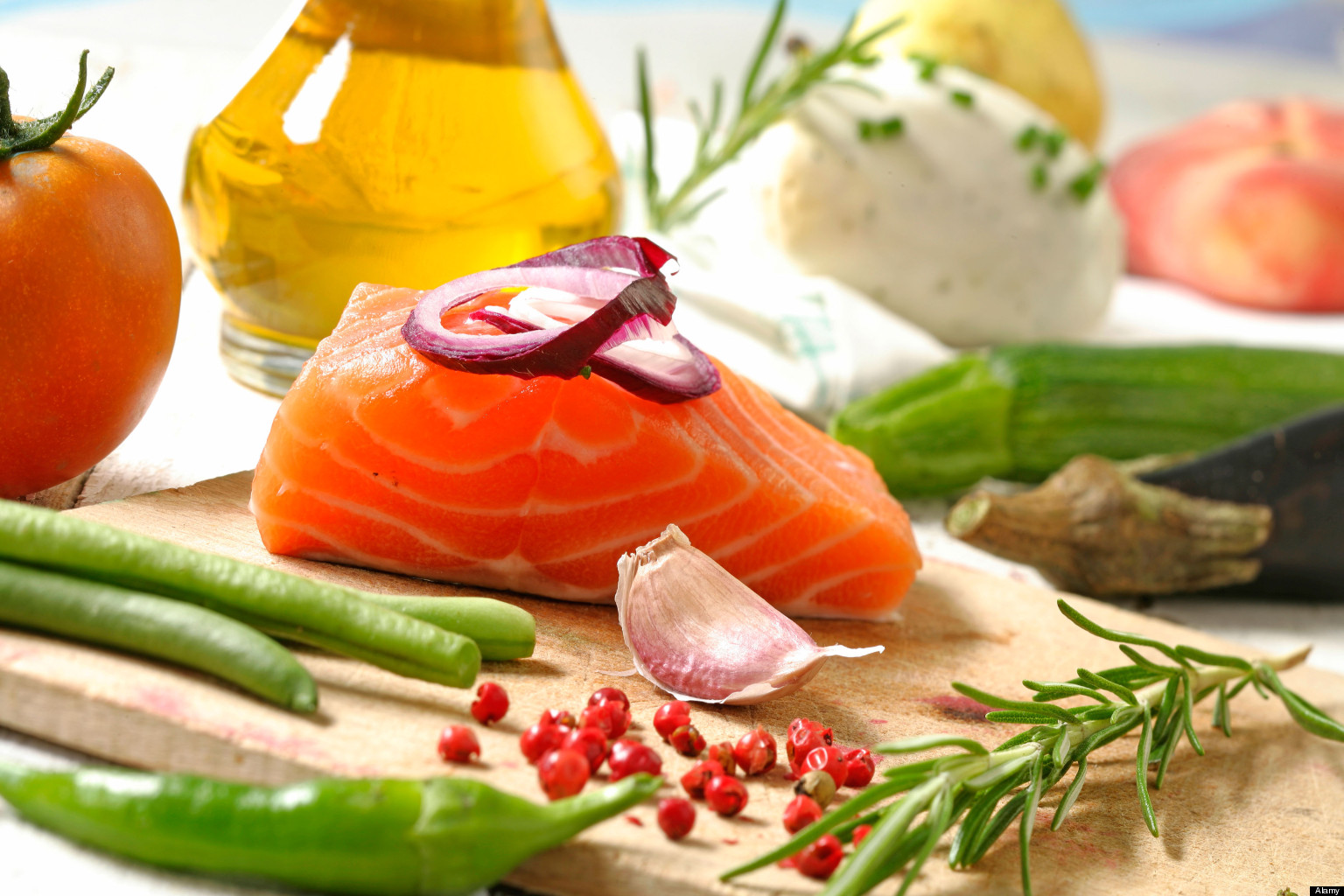
Today’s health and fitness industry is based on the promotion of different diets, incredible innovations and inventions (some of them are justified, but most are not). Of course, profit is the most important thing of all these industries. There are basic guidelines that must be followed in order to achieve its objectives, they have been clearly and very simple. Each of their new correction gets a new name and get confuse us, it’s simple.
What is the truth about diet? It is based on:
Energy balance. It essentially represents the most essential thing that you lose or put on pounds. It represents the input of the amount of energy consumed and the amount thereof. It is expressed in calories Kcal. The point is to spend more calories than you consume and you will lose weight. Or enter more calories than you burn to gain weight (muscle mass or fat deposits).
Macronutrient balance. In case you’re not familiar with the term, a macronutrient dictionary defines as “any of the nutrients nutrition which are required in relatively large amounts: proteins, carbohydrates, fats, and minerals such as calcium, zinc, iron, magnesium and phosphorus. The main goal is: We want to get more muscle than fat and want to lose fat, not muscle. Pursuant to the order, we must not look at calories as only calories but also where it comes from. We have to look more at our listing of macronutrient. Increased intake of carbohydrates and fats may be part of a child but not protein intake can result in loss of muscle mass which is not good (there is a weakening of the muscles and a very difficult process to build desired muscle musculature). If you have a diet for losing weight daily protein intake should be from 1 g to 1.2 g per kilogram of body weight (this amount will preserve your muscle mass and also contribute to a sufficient intake of calories).
Choice of food. There is no food that is defined as a food for acquiring and losing weight. You can lose whatever fat you eat as long as regulate the input and maintain a state of negative energy balance. However, there are foods that due to its size, calories and macronutrient promote or not losing or gaining weight. Generally speaking, foods that are good for weight loss are small caloric value of a large volume (fruits, vegetables, whole grains, lean meat). This type of food has a lot of trace elements that are very important to restrict calories. Food that is not suitable for weight loss contains a high caloric value and small volume (candy, bacon, beverages, oil, butter, full-fat dairy products).
This is the point of each diet, it is important to listen to your body, to be moderate, apply the previous rules, allow yourself to occasionally enjoy your favorite foods that are not wished, of course, reward yourself if you followed the rules and achieve your target. Diet will be a lifestyle and not occasionally suddenly losing and regaining weight.
Share this:

BLOATING – what you should or shouldn’t eat
We are often in a situation that we feel bloating in the stomach. We wonder what the causes of this and what is best to eat in order to avoid this unpleasant phenomenon. We will give some guidance and suggestions on how to solve this problem.
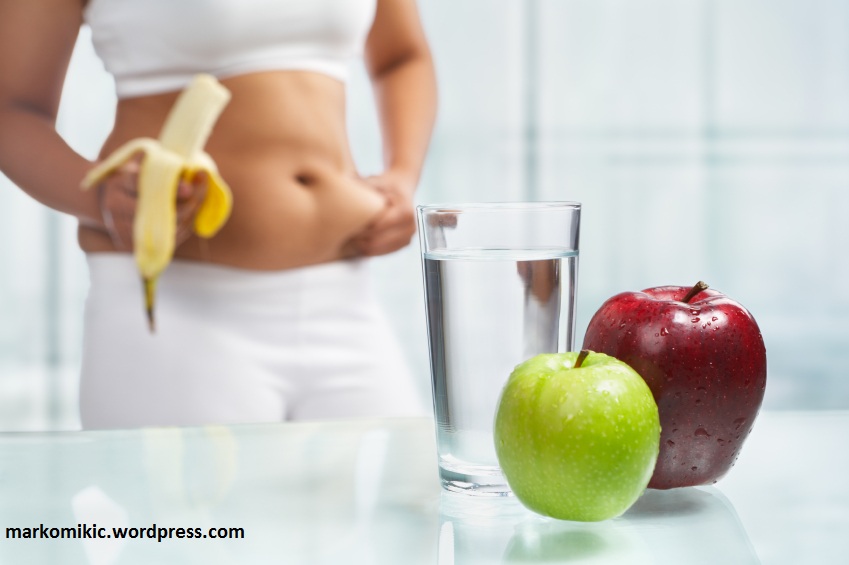
When we feel bloating often we take any sparkling drink to alleviate this phenomenon, here’s why it’s not good. Carbonated drinks releasing carbon dioxide which makes flatulence even stronger. Also taking salty foods cause water retention in the body. There are many other foods that cause bloating in the stomach but also more importantly, there are foods that make them reduce the sense of full of stomach. Now let’s look at what the foods that encourage or regulate bloating.
what we shouldn’t eat
Milk produce. Cheese, yogurt, ice cream can cause bloating. Almond, coconut or rise take if you are intolerant to lactose (try to avoid soy).
Fruits and Vegetables. Some fruits and vegetables, including apples, pears, bananas, raisins, asparagus, potatoes, cabbage, broccoli and lentils contain complex sugars and starches that are heavily degradable. It is obvious that this is not the food you want to avoid so it’s best to cook these foods to boost their rapid decomposition and digestion in the body, it also reducing the portions.
Beans. It contains sugar oligosaccharide, which is not easily digestible for our body, so that when it reaches the colon, activates the bacteria that causes bloating. Immersion beans proven to reduce the amount of oligosaccharides which does not diminish the nutritional value of the beans.
Chewing gum. When you chew comes to swallowing air, which will cause stomach bloating. It is even worse if you opt for sugarless gum because it often contains sorbitol and xylitol, which is fermented by bacteria in the intestines and cause further bloating.
Fatty foods. Fat slows digestion, prolonging the food fermentation time – makes it longer.
Artificial sweeteners. Artificial sweeteners such as sorbitol are not good for the digestive process. In addition to juices, candies and chewing gums can often be found in low calories food.
Spicy food. It stimulates the release of stomach acid.

what we should eat
Cranberry is a natural diuretic so it will help in removing excess fluid in the body.
Ginger is one of the most common anti-inflammatories.
Green tea is also responsible for speeding up your metabolism.
Cucumber will reduce swelling and bloating of the stomach.
Whole grains (excluding those that contain gluten) in themselves have a high percentage of fiber.
Apple cider vinegar has a high percentage of minerals and potassium that help in cell clean but also have a role in the breakdown of food.
Coconut water has a high percentage of potassium that will help in expelling sodium from the body, thereby reducing bloating.
Pineapple contains bromelain, an enzyme that accelerates the process of digestion.
Share this:

TOP 5 PROPS FOR FUNCTIONAL TRAINING
Functional training is a type of training that affects the simultaneous development of a large color functional and motor abilities. It will affect the development of your motor abilities (speed, strength, flexibility, muscular endurance …), then will affect the reduction of subcutaneous and visceral fat and increase muscle mass. The most important part of functional training and equipment for functional training is that it trains your muscles to work together, to simulate the movements that you use in the sport and during some physical activity.
Equipment used in functional training are: sandbags, medicine balls, kettlebell, bosu balls, TRX, viper, ropes, gymnastic circles, truck tires and more. Here we present some of the most effective.
Sandbags
Available in different weights, wearing a handle on all parties who have needs for various combinations of exercises. With sandbags you can drawing, lifting, throwing, squats … hired a large number of muscle groups.
![sandbag-training-bag-adjustable-[5]-71-p](https://fitwithme.org/wp-content/uploads/2015/08/sandbag-training-bag-adjustable-5-71-p.jpg)

TRX
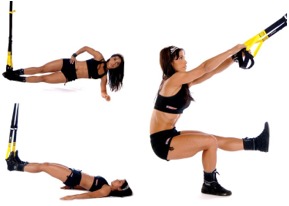
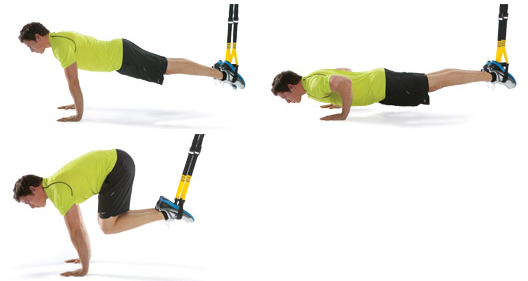
Two lanes, with the jaws on one and connected at the other end, is a highly functional device that engages almost all the muscles. On the TRX in the various possible forms are push-ups, squats, pull-ups … TRX – the best functional workout
Kettlebell
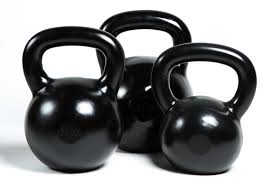
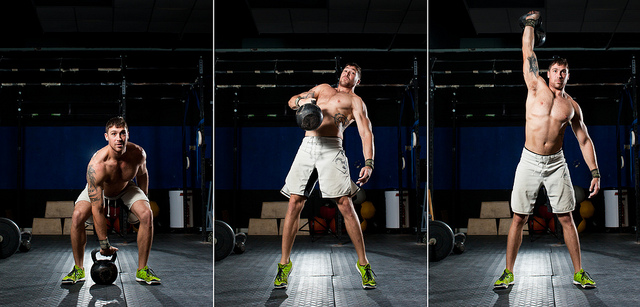
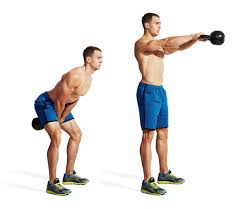
Iron ball with the gripper, different size and weight, provides specific functional training, with heavy emphasis on proper technique in order to achieve ideal movement that will engage most muscles (core, legs, shoulder). Perform the exercises as well as swinging single-arm snatch, windmill, single-arm front squat, single-arm shoulder press …
Viper
Tire of wooden logs slotted for tongs, with different weight. An interesting set of exercises lifting, throwing, drawing will simulate movements that engage a large number of muscles.


Ropes
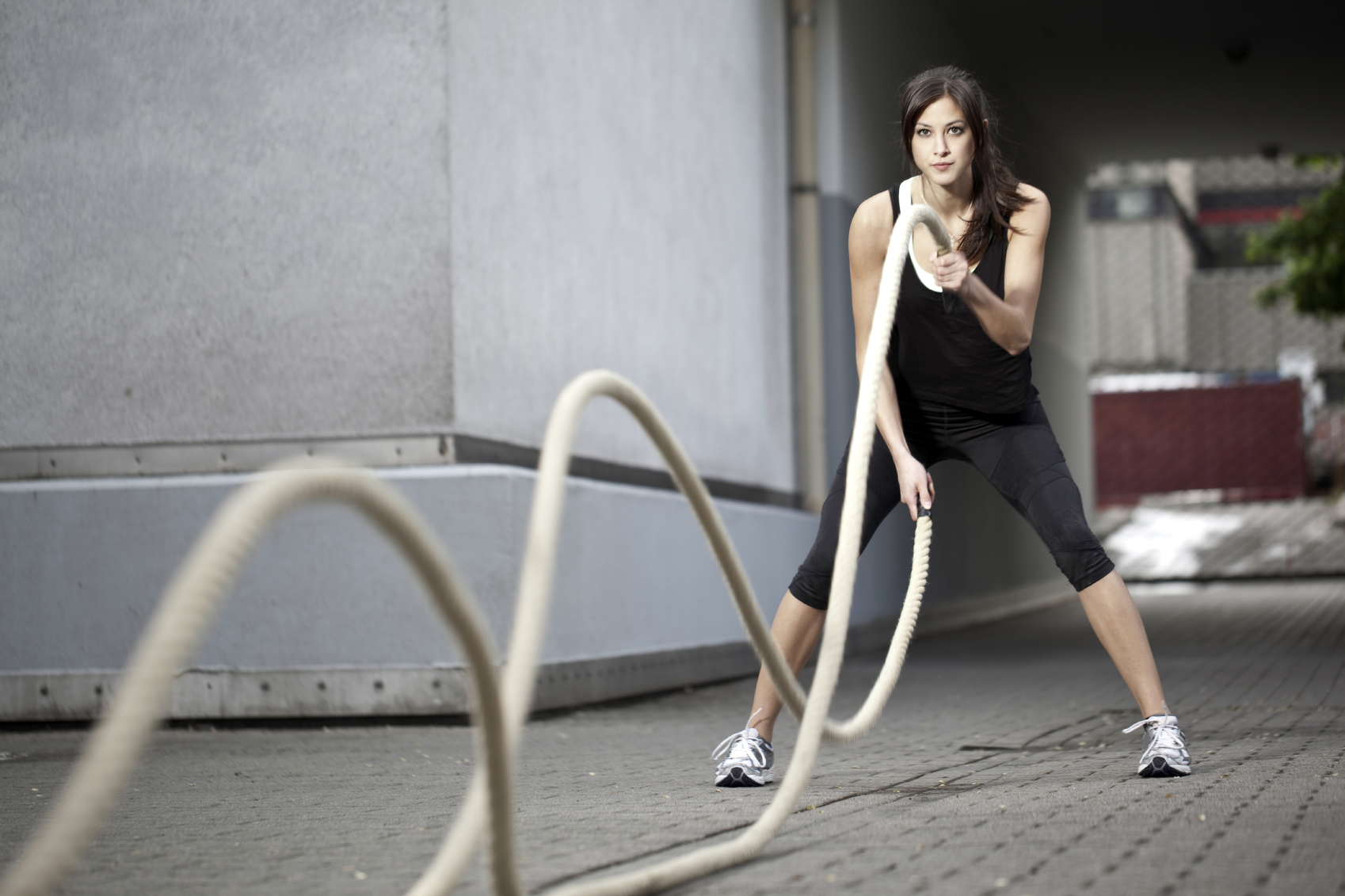
Long and heavy ropes will simulate the movements that are mainly used on board, and this will be perhaps the most interesting props but not the easiest. Cords require good endurance and is mainly used to improve the same. You can use one or both at the same time, the length of about 10 meters each. The exercises are performed mainly for up to 30 seconds, because of high intensity.

Weight and herself efficiency of functional training depending on: size and weight of equipment, then the speed of execution and duration of the exercise, the number of exercises, number of cells or circuits and breaks that are right in between. Since functional training requires activation of the whole musculature, training should be intense but brief to avoid excessive stress to the body, which can lead to overtraining.


 health & fitness