Blog Archives
HOW TO STAY HYDRATED DURING SUMMER
Towards the summer vacations, music festivals and other activities during the summer months in this article we will give you advice how to stay hydrated enough, what needs most to eat and how to adjust tropical heat and save energy.


Too much fun in the sun can be dangerous, heat exposure may cause dehydration, which results can cause heat cramps, heat exhaustion and heat stroke. If the organism disappear minerals sodium, potassium, chlorine and others, and leads to muscle cramps. In addition to standard prevention starting from lightweight clothes of bright colors to sunscreen, sunglasses with UV protection, hats and caps, beach umbrellas, the most important ting is what to eat and how to be hydrated during the tropical heat.
WHAT TO DRINK
Water and plenty of water. The heat makes you sweat, which means that lowers the body temperature, but also means the loss of fluids from the body. Do not wait to become thirsty than pies water throughout the day to prevent dehydration, at least 3 liters of water a day. Use the color of your urine to see if you are sufficiently hydrated – as urine is brighter that is better. In addition, it is important to enter the salty liquid as it contains minerals that are lost during sweating.
Juices, which are more natural and with less sugar provide not only hydration of the body but are also rich in minerals and vitamins that are lost during high temperatures.
Limit alcohol. Alcohol you even more dehydrated. Cocktails with various additives ginger, mint or fruit until they have alcohol in it dehydrates your body. Or they consume no alcohol or with mandatory frequently taking the lead. The same is the case with beer and other alcoholic beverages.
Caffeine and alcohol also pulls water from the body, avoid caffeine, and if you use it always with a glass of water.
WHAT TO EAT
fruits and vegetables. Watermelon is the best contains almost 92% water, the next place is cucumber, melon, tomato … Fruits and vegetables are easy to digest and often contains a high percentage of water, so the salad will help you to feel lighter and be more hydrated. Also fruit contains a lot of minerals and vitamins that are very important. Banana is, for example, is an excellent choice because it is full of minerals and enables rapid recovery of heat cramps.
Spicy food is popular in warm regions, in fact influenced by the spicy food causes increased sweating which has the effect of cooling the body.
Meat with a lower percentage of fat. Fat and fatty foods take longer to digest in your body and contains more salt, which can add extra strain to your body when you need greater efficiency.
Physical activity during tropical heat practiced exclusively in the early morning or late evening when temperatures are significantly lower than daily. Liquids that contain magnesium, calcium, iodine … consume during and after physical activity tends.
Share this:

DIET BY BLOOD TYPE
Feeding the blood group was formed to develop biological blood group of human origin. Depending on the time period and what is the man first began to use for food and what is revealed in the meantime and finding in nature, so that when he discovered that the meat is tastier when processing that is roasted, the start of production of dairy produces, food grain, fruits and vegetables.
Scientists who dealing with diet by blood groups explain that people with different blood groups are not equally well to digest certain foods. Each has a different blood group antigens with a special chemical structure. And also the name of the blood group was formed by a group antigen located on red blood pearls. The essence of the theory of blood groups makes the discovery that blood group antigens – behave differently in biochemical reactions to certain foods (that is, some of their ingredients). Below we will see that foods which blood group responds and which do not.

O blood type
People with this blood type are more resistant digestive system. They are carnivores, and they correspond to animal proteins and small amounts of fruits and vegetables. This blood type is harder to bear carbohydrates and products with gluten and dairy. You should avoid coffee because they produce much stomach acid.
Good foods: red meat, vegetables, olive oil, nuts, seeds, fruits
Bad food: fatty products, fish and seafood, cheeses and calf products, corn and sunflower oil , vegetables with high levels of starch grains
A blood type
People with this blood group have little tolerance for proteins. A blood type have a sensitive digestive system and recommended a classic vegetarian diet with less of dairy products. Due to lower production of gastric acid by those who possess this group have problems digesting meat and absorption of vitamin B 12. Food containing enzymes: betaine, bromelain and papal is recommended for this blood group.
Good food: fish and seafood, nuts, vegetables , grains and starches, fruits
Poor foods: red meat, cheese, butter, oil, pistachio, wheat, mushrooms, olives, bananas, mangoes, oranges, mandarins
B blood group
These blood group is resistant and withstands almost most foods. Those who have B blood group should avoid foods with gluten and wheat products, and tolerate dairy products.
Good foods: red meat, eggs, milk, yogurt, feta cheese, rice, potatoes, cabbage, peppers, carrots, pineapple, watermelon , plum, olive oil
Bad food: poultry, fish and seafood, pistachios, peanuts, sunflower, wheat, corn, olives, tomato, soybean and soy oil
AB blood type
This blood type is very rare, it is estimated that only 5% of the population owns. It was created at the latest.
Good food: lamb, turkey, tuna, seafood and fish, dairy products, fruits and vegetables, oils
Poor foods: bacon, beef, pork, whole milk, avocado, sweet corn, peppers, bananas, coconut , oranges, hazelnuts, poppy seeds, pumpkin seeds
Share this:

DETOX WATER
We often have opportunity to see, in restaurants and cafés, bowls of water served with various vegetables and fruits. In this article we will explain what is a detox water, what properties it has, and what the best ingredients it contains.

Whether you’re trying to lose weight or just want to look and feel healthier, one of the best ways to free your body of harmful toxins is to drink water. Only 6 to 8 glasses a day will help you stay hydrated and keep the vital organs in their best possible health. Detox water speeds up metabolism and only in this capacity effective in removing fat and excess weight (by itself does not come off the pounds that we have the opportunity to read or hear).
There are several foods that you can add to your water that will not only improve the taste of water, it will also help in the preservation of health. Detox water has become very popular and there are many different recipes that you can use. These waters contain ingredients like lemon, which helps flush out harmful toxins from your body, the mint that helps in digestion, cucumber, which contains anti-inflammatory properties of ginger which is a natural remedy pain and helps digestion. Some water can contain melon, raspberry, and other ingredients that are both healthy and useful for the organism.
Detox water to accelerate the metabolism. Cucumbers are diuretics that can help you avoid water retention in the body. Lemon and lime will help to remove toxins from your digestive tract and grapefruit will help you speed up your metabolism and burn fat faster. Add 2l spring water, ½ medium grapefruit (chopped), ½ cucumber (chopped), add chopped ½ lemon and a few mint leaves. Leave for at refrigerate several hours before serving and drink at least ½ liters a day for optimal results.


Fruit detox water. Includes strawberries and kiwi and it is a perfect summer drink. 2 liters of water, a few strawberries and a few sliced kiwi. Allow the recovery period of several hours in the refrigerator. Kiwi contains vitamin A and E, which will help you to get rid of free radicals and also helps to wash the toxins out of your colon. The berries are great for your skin, contain anti-aging properties and help fight carcinogens.
Apples and cinnamon detox water. Except it does not contain calories, this water also helps to boost your metabolism. It adds chopped apples and cinnamon sticks in quantities as desired. Served with ice cubes.


The New Year detox water. You need a gallon of spring water and a few raspberries, along with chopped grapefruit, cucumber, pears and a couple of fresh mint. You can also add lemon, blueberries and cranberries, if desired. Just add all ingredients in a pitcher and let it sit for so few hours so that the flavors combine. It affects the removal of toxins from the body and accelerate metabolism.
Detox water with strawberries and watermelon. Affects Metabolic and preservation of the skin. It is full of vitamins and anti-inflammatory ingredients. A cup of strawberries, 2 cups watermelon, a few sprigs of fresh rosemary, filtered water and a little salt. Just stir together the berries and rosemary in a bowl, then add them to the bowl of watermelon. Pour the filtered water over it, let it sit for a few hours in the fridge.


Cucumber and lemon water detox. This water is great for strengthening your immunity and cleansing of harmful toxins. Cucumber is an anti-inflammatory and helps you stay hydrated. Appendix mint beautifies drink without added sugar and helps digestion. A couple of slices of lemon, cucumber and a little mint leave it overnight in the fridge.
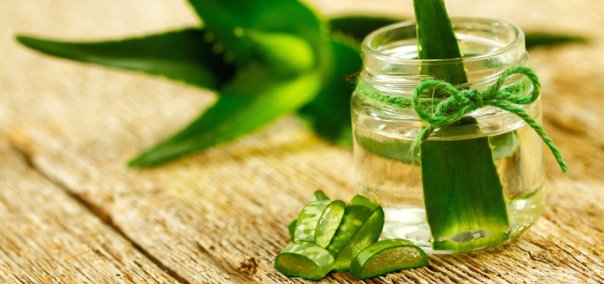
Aloe Detox water. Did you know that you can add it to your water? When using aloe that can help circulation and digestion, you can increase your energy and eliminate fatigue. You need to share the aloe leaf down to the center and to remove the gel. Mix the gel with a little water and lemon in a blender. All you need is one cup water, 2 tablespoons of lemon juice and about 2 tablespoons of aloe gel.


 health & fitness