Blog Archives
THE IMPACT CAFFEINE ON THE BODY
The action mechanism of caffeine, whether positive or negative influence on the organism, what is effect on physical activity, and a couple of interesting questions, we will discuss in the following text . Caffeine is a natural alkaloid, which is derived from coffee beans, tea leaves and from the cocoa grain. It is adds in artificial beverages like Coca Cola. He is a natural psyhostimulant and they have affects at the central nervous system.

The positive side of caffeine
% of nutrients in a cup of coffee: Vitamin B12 11%, 6% Vitamin B5, Vitamin B1 2%, Vitamin B3 2%, 3% Magnesium, Phosphorus 1%. Coffee contains small amounts of vitamins but is a powerful antioxidant.
It is not clear why caffeine has ergogenic effects obvious, and if there is a hypothesis that it stimulates the sympathetic nervous system and increases the consumption of fatty acids, thereby sparing limited glycogen stores in the muscles and liver. As a central nervous system stimulant, caffeine can reduce the feeling of fatigue, enabling the extended duration of action and improving athletic performance. Finally, caffeine plays a significant role in the release of calcium ions from the sarcoplasmic reticulum in muscle cells. This in turn can lead to stimulation of a stronger muscle contraction, especially during anaerobic sports and sports power. However, recent studies suggest that if you increase the intake of free fatty acids and caffeine intake at the same time, there will be an increase in their oxidation or saving glycogen. Competitive advantage seems to be primarily related to the role of caffeine to stimulate the central nervous system. During endurance sports, caffeine is proven to reduce the feeling of fatigue, increases concentration and attention, while during strength training, or short bursts of activity, caffeine acts as a facilitator contraction of skeletal muscle.
The negative side of caffeine
Users may become dependent on caffeine, with to much consumption. While is low and moderate, it doses generally safe. Those who abruptly stop consuming caffeine, and before they were addicts, start to have a problems with headaches and mental fatigue. This condition lasts for several days while the body is start to use to it.
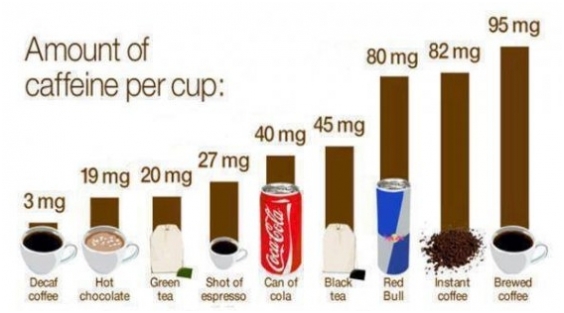
Intake a lot of caffeine, causes increased nervousness and sleep disorders. This has the consequence that, due to the introduction of caffeine to reduce daily fatigue leads to insomnia. Caffeine affects negatively interact with some drugs. It increases blood sugar levels, making a real problem for people who have Type 2 diabetes and insulin control. People who have high blood pressure and diabetes should avoid caffeine. Studies say that women who drank more than 3 cups of coffee (300 mg caffeine) a day, leading to loss of bone mass in the spine, during postmenopause. A lack of calcium in the bones. Caffeine can also lead to stomach problems due to heartburn and stomach acid.
Share this:

FUNCTIONAL TRAINING
Classical forms of training in the gym more and more becoming extinct, unless you are bodybuilder, preference is given various combinations of cardio, circular, functional training … Today we explore the concept of functional training and give some examples of exercises and way of performing.
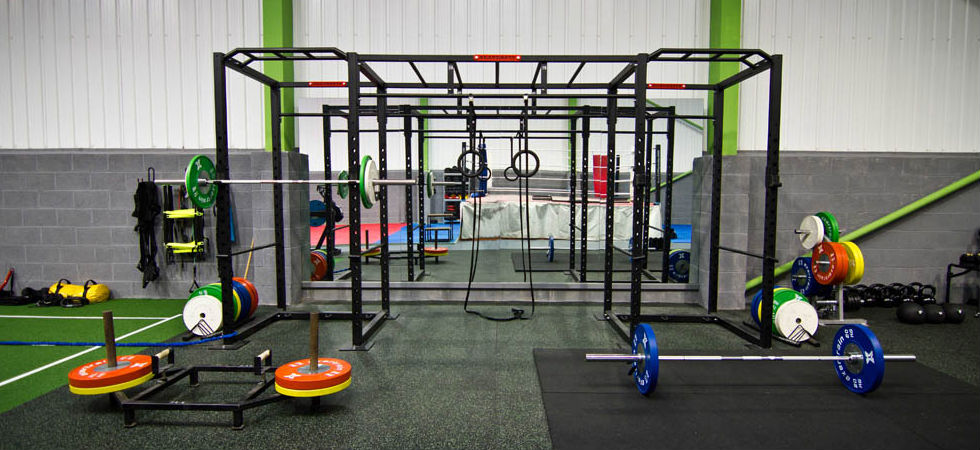
The roots of functional training come from the application of rehabilitation. Therapists use this form of rehabilitation to restore the regularity of certain movements in patients, the name functional is because they were used to install the proper and independent movement that before was irregular in the midst of an injury or surgery. They were movements that were used in everyday life, movements that have a function in everyday activities. So in sport we doing some part of exercise and movements which are typical for a particular action that is constantly practiced in a particular sport or physical activity.
The benefits of functional training is better joint mobility and stability of the whole body. Improving these factors reduce the possibility of misconduct. Although the machines at the gym seem safer, they actually limit the degree of movement and thus do not involve stabilize muscle of movement, but only a certain muscle that is rightly triggered. As a result, it takes a lot of time to strengthen all the muscles, which is not the case with functional exercises where they require a lot of different and large muscle groups.
Basics of functional training. Choose a couple of exercises from 2 to 8, it represents a one circle in training. Training should have from 2 to 4 laps. The exercises are performed with the shortest breaks, and between parts of the training is pause of 2 to 6 minutes. Pause can be active, skipping rope, running or something else. The number of repetitions of exercises can be fixed and may be limited in time, Ex. 4 exercise, each running 30 seconds submaximal intensity followed by a break of 4 minutes and moving into a new round. In essence, combine themselves but by following these guidelines.
Examples of exercises
PLYOMETRIC PULLUP PUSHUP
CLEAN AND PRESS
JUMPING SQUAT ON STEPPER
DECK SQUAT
Very important thing is to determine the intensity of training to withstand the whole session and not interrupted in half because you increase the intensity from the beginning. Also, pulse and control over the belt and hours or simply checking on artery on the neck, should be frequent during breaks. Functional training requires high endurance and strength, it also features the upgraded and improved.
Equipment used in functional training may be different, but I can run and exercise without apparatus. About them we have been already discussed in this Text: TOP 5 PROPS FOR FUNCTIONAL TRAINING
Share this:

PROBLEM WITH LOWER BACK
What makes the lower back:
Five lumbar vertebrae that connect our pelvis to the top of the spine.The six discus that protect our vertebra and absorb all incoming attacks. The nerves and spinal cord that conduct impulses to our muscles from the brain and their role is most similar to the “current cables “. Small joints that we provide to all funcion properly and maintain both stability and mobility. Ligaments and muscles without which the function of the spine is unthinkable, because they give us strength and also provide stability.

The most common activities what give as a pain:
Each working or sporting activity or activities of daily living, if performed incorrectly or sudden or long it lasts, it can cause pain in the lumbar region of the back. The pain is most often associated with the following activities:
improper lifting of any weight, where the hull flexes and rotates the sudden movement of rotation, bending or rotation and stretching hull prolonged sitting lengthy car ride long walking prolonged standing bad position during sleep violations of bone and muscular lumbar region – trauma (usually traffic accidents, injuries during sports activities …)
Muscle weakness is due to inactivity. Muscle imbalance is one of the most important causes of pain. Muscle strength of individual muscles and muscle groups should be balanced, harmonious and balanced.
With kineziteraphy (medical exercise) is begun when fully relieve the pain. Our goal is to take strong musculature of the burden of the lumbar spine. It is important to note that there is no activity of daily life that strengthens lumbo-sacral spine extensors. Also, there is not a sporting activity that strengthens the muscles of this region. It is the most common cause of these problems.
Exercises for preventing pain and strengthen the lumbar your muscles:
Exercises that you can do to strengthen the lower back can work at home in nature or fitness center. The simplest and most are static contraction exercise (endurance) running on the ground:
1. Alternating vertical rise from the ground opposite arm and leg endurance of 10-15 seconds then changes, exercise is performed without a break in the 3 series alternately.

2. Gently lift even lower and upper extremities at the same time and returns to the starting position, the exercise is performed in 4 sets of 10-15 reps
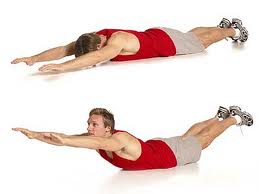
3. Position Plank, endurance in a given position, the focus is on the abdominal wall that needs to be constantly in contraction, the exercise is performed in three series with the endurance of 15-30 seconds

When enough to strengthen the muscles may be the ancestors of the execution of more complex and demanding exercises:
1. Extension backs, 3-4 sets of 10-15 reps
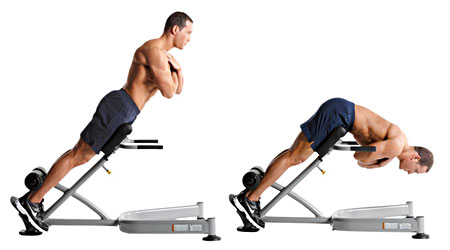
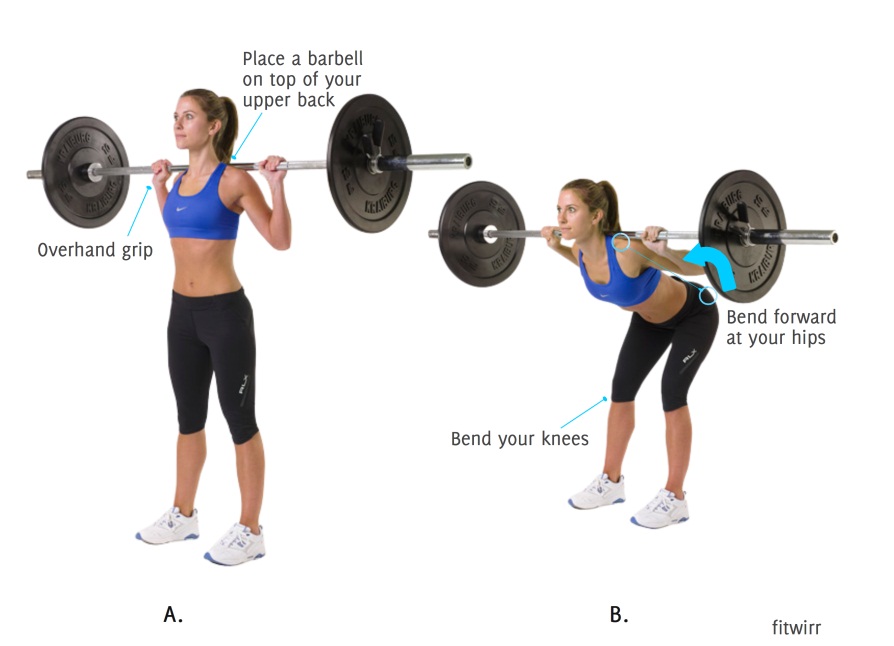
2. Good morning exercise, initially running without load and later with load, 3-4 sets of 10-12 reps
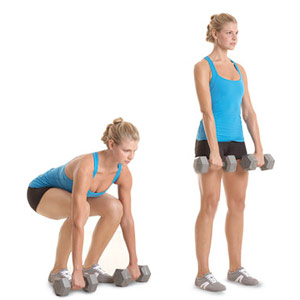
3. Dead lift, the exercise is performed with a light load in the beginning, with a focus on the right position of the back in every position, 4 sets of 8-12 reps
Exercises are performed 4-6 times per week at first. Later, when there was a considerable reinforcement lumbar necessary to maintain muscle tone with working out 2-3 times a week.


 health & fitness